
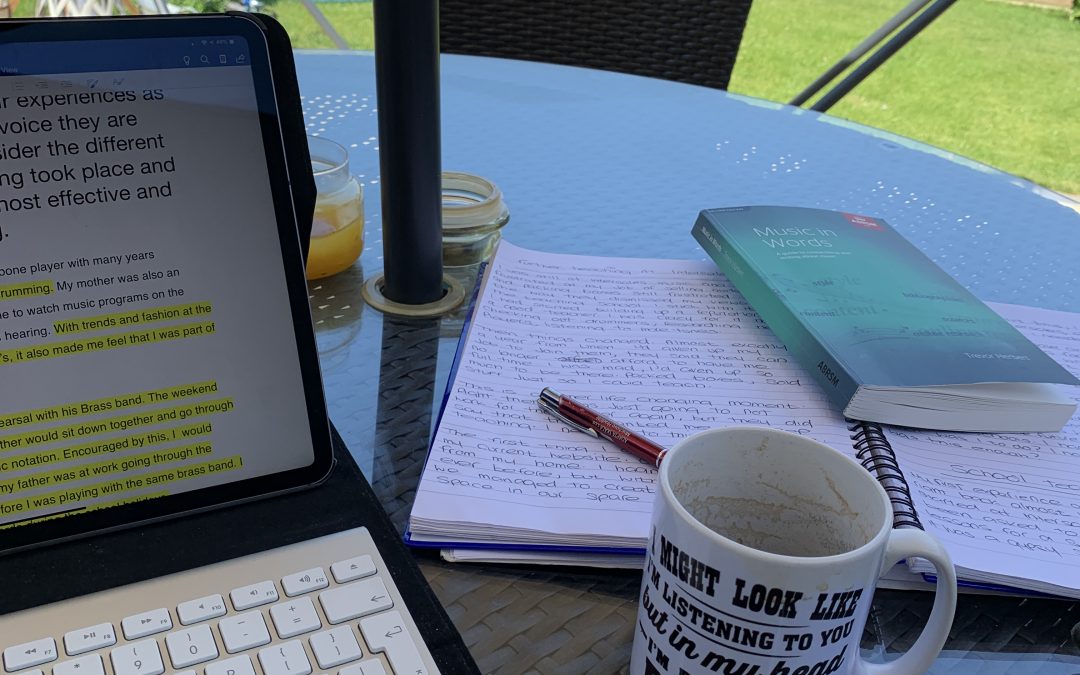
Why I started the ATCL
Over the past few months I have really wanted to get back into writing a regular post on my website. A few reasons really, it is good for the website if you are visiting with the idea of me being your drum teacher and hopefully also people find it interesting what musicians get up to on a daily basis. I myself am inspired by other musicians I follow with their writing and the way they project themselves online. And although I may not have mentioned this to them directly, I learn a lot from their blog posts which have helped me in the way I teach. The internet is a marvellous source of information and views if used properly. It should be welcomed and investigated beyond posting a picture of your breakfast on Facebook.
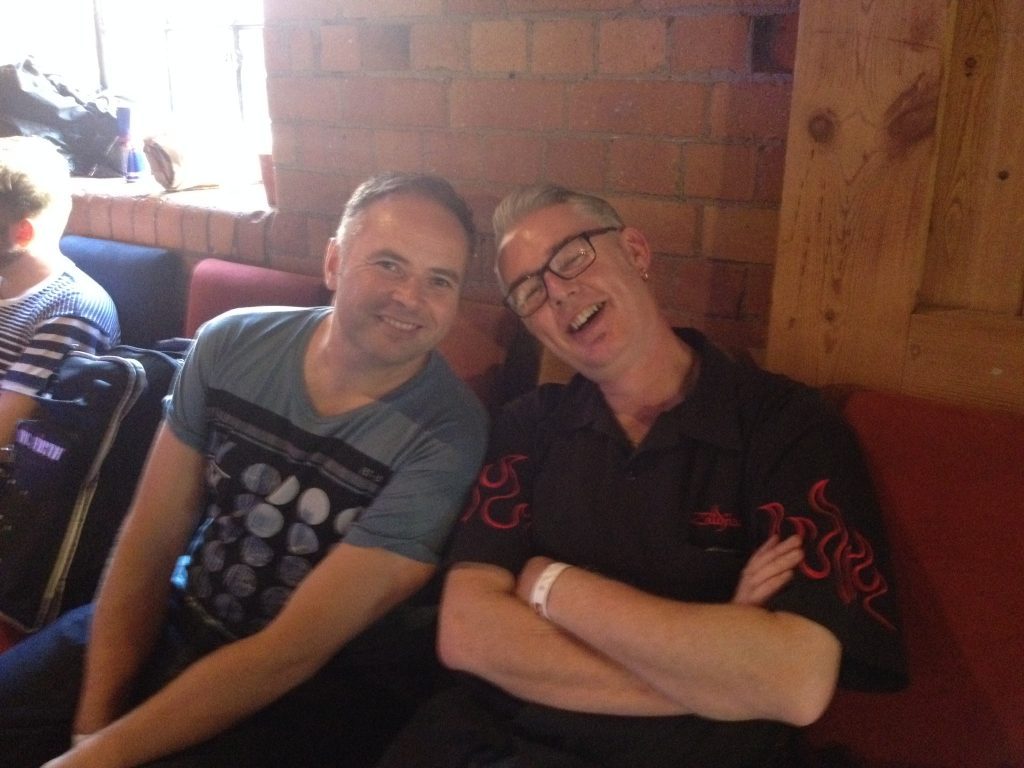
Another reason for writing in my opinion is that it gives off a certain intelligence that I respect. It means that you are well researched and proficient in your subject. This has always been my view, so I have set myself an “Education” challenge. After a successful trip to the UK drum show last September, I attended the Sabian Education Network seminar “DEVELOP, MANAGE and GROW YOUR TEACHING PRACTICE: A PANEL DISCUSSION” The class was held and moderated be SEN Director Joe Bergamini. He lead an expert panel in a round-table discussion on topics facing drum teachers today.

This is certainly a subject close to my heart, so I really had to be there. The other incentive for me was that my longtime teacher Paul Hose was present on the panel. I have always respected his views regarding teaching and music eduction, being that he is a director of MLC Nottingham. Not only providing one on one lessons in all instruments, but also providing teachers for the graduate music program at Confetti institute of Creative technologies- which is now part of Nottingham Trent University.
This was a very interesting discussion, but the main topic for me was that drum teachers have to be educated and qualified to be teaching. You would think that this is a given, but there are a lot of teachers that start teaching because their gig has dried up- not because they would like to encourage the future musician.
Although I am still very active on the gigging scene, my main source of income and passion is teaching, so I wanted to learn more about how to teach and how to get the best out of my students. If you read the governments response to Darren Henley’s report on Music education, you will find many recommendations for better music education for the young. If you teach music, you cannot disregard this document. This formed part of the discussion during Paul Hose’s presentation.
Here is the link to this document
There are many recommendations that I agree with, but here are few that stick out for me.
Recommendation 11:
‘Ofsted’s remit should be expanded to include the reviewing of standards in Music Education provided in schools by Local Authority Music Services, Arts Council England client organisations or other recognised music delivery organisations. The focus for Ofsted’s work in this area should be on the quality of teaching, leadership and management, with the aim of raising standards and increasing levels of achievement among pupils’
Recommendation 21:
‘Much primary school classroom teaching of music is provided by non-specialist teachers. The amount of time dedicated to music in most Initial Teacher Training courses is inadequate to create a workforce that is confident in its own ability to teach the subject in the classroom. It is recommended that a new minimum number of hours of ITT for primary music teachers be spent on the delivery of Music education’
Recommendation 24:
‘A new qualification should be developed for music educators, which would professionalise and acknowledge their role in and out of school. Primarily delivered through in-post training and continuous professional development, musicians who gain this new qualification would be regarded as Qualified Music Educators. It would be as applicable to peripatetic music teachers as it would be to orchestral musicians who carry out Music Education as part of their working lives’
Although this document came out in 2011/12 at some point in the future I am sure that the government will enforce these recommendations. I wouldn’t want to be caught out and unqualified for the job l love. So what should I do?
Paul had been talking to me prior to this meeting and in-light of these findings, he advised the correct course for me to do would be from Trinity London, Principles of Instrumental/Vocal Teaching ATCL. For more information with regards to this course, please follow the link to the Trinity website For more details on how to study this course, follow the link to Paul Hose
After a few months of consideration, it was clear that I needed to do this course. Being a university course, it would also help me become a music classroom teacher. A few months ago I was asked of I would be able to cover a secondary GCSE music class at a local school in Rushden. The GCSE syllabus includes a section on one of my favourite albums from the Beatles. This was the main reason I was asked. It is quite obvious if you know me how excited I get about this band. I enjoyed it so much, I knew from that moment I wanted to encourage students to progress with their music in the school classroom.
It is now August and I am half way through the first section of the course. I am having to learn how to write essays again, reflect on my own learning process over the years and take into consideration how students learn. I feel so much more positive about myself, but also more confident in educating my students.
I won’t be finished level 3 until next year and then I am planning for level 6. It won’t be a quick fix. If I complete the whole degree by 2022, I will be happy. I’ll be 55 by the time I graduate, just in time for me to consider myself the “old, cool music teacher” Maybe the “Cool” might need more work.
Most people would agree, you are never too old to learn. I guess I am about to find out.
Thank you for reading.